

How to Choose an Auto Glass Shop in Progreso, TX: Certifications, Warranties, and Red Flags
The cost of windshield replacement in McAllen depends on vehicle type, extent of damage, and shop location. Most replacements fall between $200-$800.

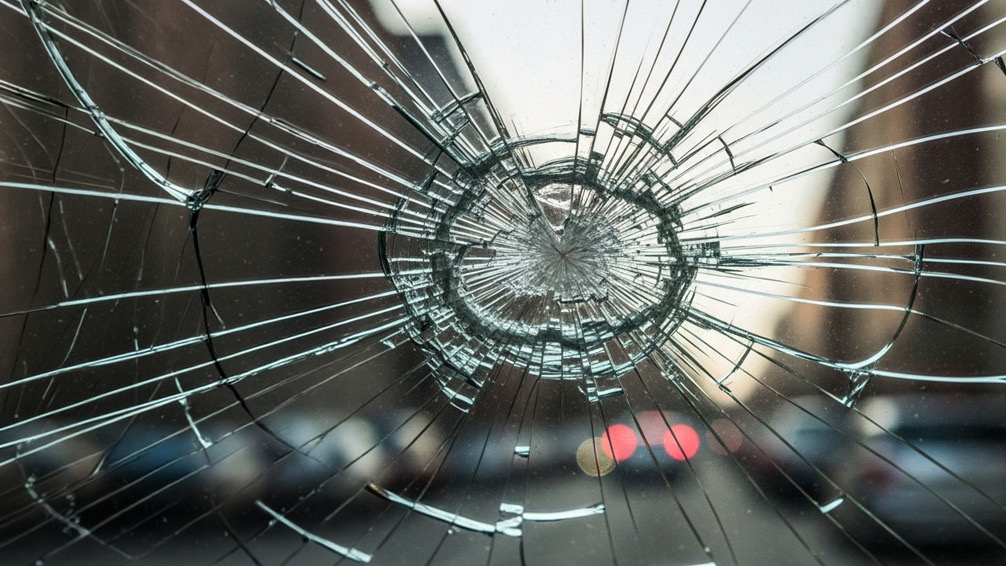
Progreso sits at the far southern edge of Hidalgo County — a border community where drivers cover long stretches on US 281 and US 83, contend with Rio Grande Valley heat and hail, and often cross the international bridge. When a rock chip spider-webs into a crack or a break-in leaves a door glass in pieces, the shop you pick matters far more than the price on the quote.
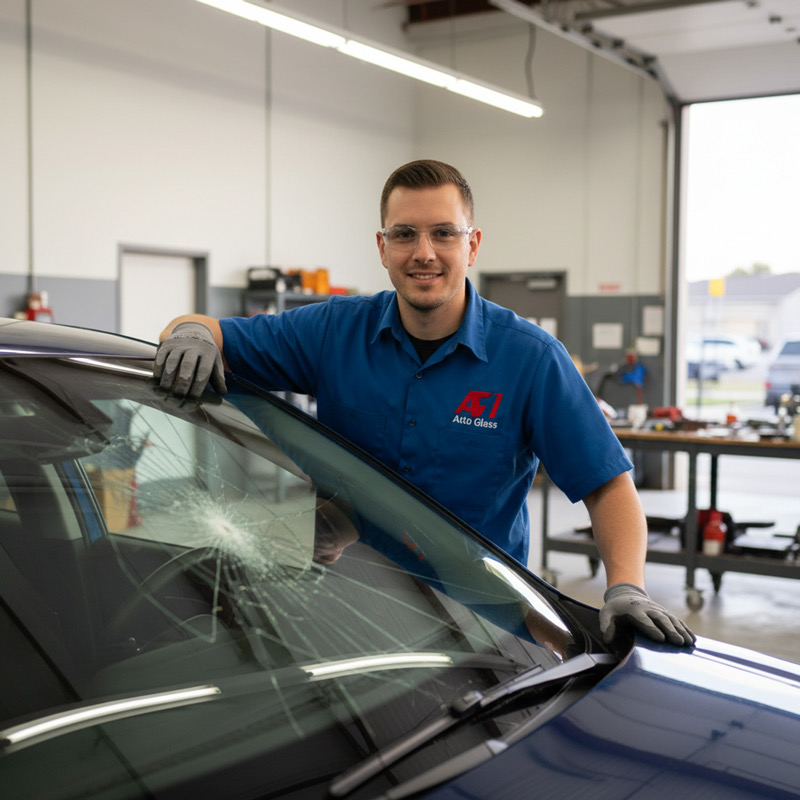
At A1 Auto Glass, we serve Progreso and the surrounding Valley communities from our McAllen shop and through mobile service. Every week, we hear from drivers who wish they'd asked more questions before choosing their previous glass shop. Below is a clear, checklist-style guide to picking an auto glass shop in Progreso, TX that protects your vehicle, your warranty, and your wallet.
Why Choosing the Right Auto Glass Shop Matters for Progreso, TX Drivers
A windshield isn't just a window. On modern vehicles, it's a bonded structural component that contributes to roof crush resistance in a rollover and anchors passenger-side airbag deployment. If the glass isn't properly bonded, an inflating airbag can push it out and lose the pressure it needs to protect the person in the seat.
Progreso drivers also deal with conditions that punish poor installations. Summer highs regularly cross 100°F, followed by intense afternoon storms with wind gusts that flex the glass and pull at the urethane bond. Dust, humidity, and salt from Gulf air corrode any pinchweld that wasn't primed correctly. A poorly installed windshield in the Valley won't just leak — it can fail under the exact conditions you're most likely to face on I-2 or US 281.
Then there's the ADAS layer. If your vehicle was built after 2016, there's a good chance the forward-facing camera behind your windshield controls lane departure warning, forward collision alert, adaptive cruise, or automatic emergency braking. A windshield swap that skips proper recalibration leaves those systems reading a slightly different field of view than the software expects — and the resulting errors compound the further you drive. Choosing the right shop is how you avoid every one of these problems.
Look for AGRSS or AGSC Safety Certifications
The auto glass industry has its own set of installation standards, and the shop you hire either follows them or doesn't. The relevant one is ANSI/AGSC/AGRSS 005-2022 — the current installation standard maintained by the AGSC. It defines minimum requirements for adhesive selection, pinchweld preparation, primer application, technician training, and the drive-away interval you must wait after installation before using the vehicle.
Registered shops list on the AGSC public directory, and technicians can be individually certified through the Auto Glass Technician program. When you call a shop in Progreso, TX or anywhere else in the Valley, ask two questions:
- Are your technicians AGSC-certified?
- Do you install to the current AGRSS standard?
If the person on the phone can answer both without hesitation, you're likely dealing with a professional shop. If the answer is vague, dismissive, or a redirect to price, treat that as a signal.
Certification isn't required by law in Texas, which is exactly why it matters. It's a voluntary commitment from shops that have decided they want to be measured against a published, national standard. You can verify a shop's registration on the AGSC directory before you book.
Warranty Coverage: What's Standard and What's Best
Every professional auto glass shop should offer two warranties — one on the glass itself, and one on the installation workmanship. These are separate protections, and it's worth understanding what each covers.
The glass manufacturer warranty covers defects in the glass itself: delamination, stress cracks that appear without impact, and optical distortion beyond acceptable tolerances. That coverage usually runs one to five years depending on the manufacturer.
The installation warranty is where shops differ. The industry standard is one year on workmanship, covering leaks, wind noise, and adhesive failures. The better shops offer a lifetime workmanship warranty — meaning as long as you own the vehicle, any leak, wind noise, or urethane bond failure is on them to fix.
Before you book, ask for the warranty in writing. Look for four specifics:
- What's covered (leaks, wind noise, adhesive failure, and ADAS recalibration when applicable)
- What's excluded (subsequent impacts, pre-existing conditions, aftermarket accessories)
- Duration (lifetime vs. one year vs. a mileage cap)
- Transferability if you sell the vehicle before a problem appears
A shop that hesitates to put warranty terms in writing is one worth walking away from. So is a shop whose "lifetime" warranty comes with so many exclusions it functionally expires the moment you drive off the lot. Our windshield replacement service in Progreso and across the Valley comes with a workmanship warranty in writing, and we'll walk you through the specifics before you sign anything.
OEM vs. Aftermarket Glass in Rio Grande Valley Shops
OEM (original equipment manufacturer) glass is produced by or for the same supplier that made the glass in your vehicle from the factory. Aftermarket glass is produced by a third party to the vehicle's general specifications. Both are legal, both are widely used, and both can be installed properly — but there are meaningful differences you should understand.
OEM glass is manufactured to tighter tolerances: thickness within ±0.1 mm, curvature variance under 0.5 mm, and bracket positioning to within half a millimeter. Aftermarket glass tolerances can be roughly twice as loose. Those measurements sound small until you consider that the ADAS forward camera has to lock onto calibration targets through the glass. Higher optical distortion means more calibration failures — and in some cases, a failed calibration forces the shop to remove the aftermarket glass and install OEM anyway, doubling your labor time.
For vehicles without ADAS, the choice comes down to fit, optical clarity, and personal preference. For vehicles with ADAS — most cars produced after 2016 — OEM is generally the more predictable path, especially if your vehicle has a rain sensor, HUD projection, or acoustic laminated glass. Insurance coverage often specifies aftermarket unless OEM is required by the vehicle's ADAS specification or you have OEM parts coverage in your policy. A good Rio Grande Valley shop will discuss both options, quote each, and be clear about what will and won't work on your specific vehicle.
Mobile Service and Insurance Support Options
For most Progreso drivers, driving 25 miles into McAllen for a windshield replacement isn't the best use of a workday. Mobile service solves that: a technician comes to your home, your workplace, or wherever your vehicle is parked, and completes the installation on-site.
Mobile service isn't a lower-quality shortcut — done correctly, it uses the same adhesives, primers, and procedures as an in-shop job. The technician does need a reasonably clean, weather-protected location. On a windy or rainy day, mobile jobs sometimes have to reschedule; the urethane bond depends on clean, controlled conditions during application and cure.
Our mobile auto glass service covers Progreso, Donna, Alamo, San Juan, and every Rio Grande Valley community listed in our service area. We confirm your vehicle's ADAS requirements before dispatch so you know upfront whether calibration will need to be completed at our McAllen shop or performed dynamically on the road after installation.
The other piece is insurance. In Texas, windshield and glass claims fall under comprehensive coverage. You'll pay your comprehensive deductible unless you carry the optional zero-deductible full-glass rider, which many drivers add for a small premium increase. A shop that handles insurance claims for you — filing the claim, coordinating with the adjuster, and billing the carrier directly — saves hours of paperwork and eliminates the guesswork over what's covered.
Local Reputation, Reviews, and Turnaround Time
Online reviews are imperfect, but they're one of the few public signals about how a shop actually treats customers after the sale. Look at Google Business Profile ratings and, importantly, read the recent negative reviews — not just the star average. How does the shop respond to complaints? Do they acknowledge issues and offer fixes, or do they get defensive and blame the customer?
A shop with hundreds of reviews and a rating in the mid-4s is generally more reliable than a shop with a perfect 5.0 across 12 reviews. Sample size and age of reviews both matter — a shop with dozens of recent reviews is actively serving customers now.
Turnaround time also matters, especially in Progreso where a cracked windshield can grow across the driver's line of sight in a single afternoon of Valley heat. Same-day chip repairs are common; windshield replacements usually take one to two days once the correct glass is on hand, longer if the part has to be ordered for an unusual vehicle.
Red Flags to Watch For Before You Book
A handful of warning signs come up over and over in auto glass complaints. If a shop hits more than one of these, keep looking:
- Verbal-only quotes. A professional shop will provide a written itemized quote listing glass tier, labor, adhesives, mobile service fee if applicable, and ADAS calibration if required. Resistance to putting numbers in writing usually means the number is going to move.
- No mention of ADAS. For any post-2015 vehicle, a shop that quotes a windshield replacement without asking about your vehicle's camera or radar systems isn't paying attention to the full job.
- Prices well below market. A quote that's half of every other shop in the Valley usually reflects cut corners — low-quality adhesives, aftermarket glass of unknown origin, or a rushed drive-away time that hasn't finished curing.
- Pressure to book same-day. A shop that won't give you time to compare quotes or verify credentials is prioritizing their schedule over your decision.
- "Free windshield" cold calls or door knocks. Unsolicited windshield replacement offers, especially those that promise no out-of-pocket cost, are commonly associated with insurance fraud schemes.
- No verifiable certification. A shop that can't or won't confirm its AGSC registration, or waves off the question, is telling you something important.
If the sales pitch feels off, it usually is.
Frequently Asked Questions
Do I need to go to the dealership for a windshield replacement in Progreso, TX?
No. Independent auto glass shops that follow AGRSS installation procedures and perform proper ADAS recalibration meet the same standard the dealer would. What matters is the certification, the glass, and the calibration procedure — not the sign on the building.
How long does a windshield replacement take?
The installation typically takes 60 to 90 minutes, plus another 30 to 60 minutes if ADAS calibration is required. You'll also need to observe the manufacturer-specified drive-away interval — the time the urethane needs to cure enough for the vehicle to be driven. Modern high-modulus adhesives allow drive-away in 30 to 60 minutes.
Will my insurance cover windshield replacement in Texas?
Windshield and glass damage in Texas is covered under comprehensive coverage. Unlike Florida and South Carolina, Texas does not require insurers to waive the deductible for glass claims, so your comprehensive deductible applies unless you carry the optional zero-deductible full-glass rider. Chip repairs often have the deductible waived because the repair costs the insurer less than a future replacement.
What's the difference between windshield repair and replacement?
A chip or short crack under six inches and outside the driver's line of sight can usually be repaired by injecting resin — the glass isn't removed, and the original factory bond stays intact. Larger cracks, damage in the sight line, and damage that reaches the edge of the glass require full replacement.
Picking an auto glass shop in Progreso, TX doesn't have to be complicated. Ask about certifications, get the warranty in writing, understand your OEM vs. aftermarket options, and watch for the red flags above. If you'd like to talk through a repair or replacement, our team at A1 Auto Glass serves Progreso and the entire Rio Grande Valley — request a free estimate online or call us, and we'll walk you through exactly what your vehicle needs.